How Custom Event Tents Drive Traffic at Festivals and Trade Shows
How Custom Event Tents Drive Traffic at Festivals and Trade Shows Cust...

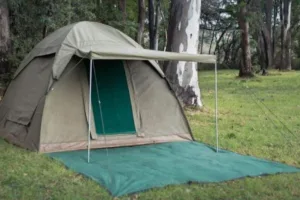
Proper tent cleaning and fabric preservation help extend camping tent lifespan, reduce avoidable waste, protect outdoor comfort and support more responsible use of wilderness camping environments.
Request a Camping Tent QuoteCamping tents are exposed to dust, mud, rain, moisture, campfire smoke, insects, tree sap and repeated handling. Without proper cleaning and preservation, the fabric can weaken, stain, smell, leak or develop mould after storage.
Good tent care is not only about keeping the shelter clean. It also reduces premature replacement, limits waste and helps campers leave outdoor spaces in better condition. A well-maintained tent performs better and supports cleaner, more responsible camping trips.
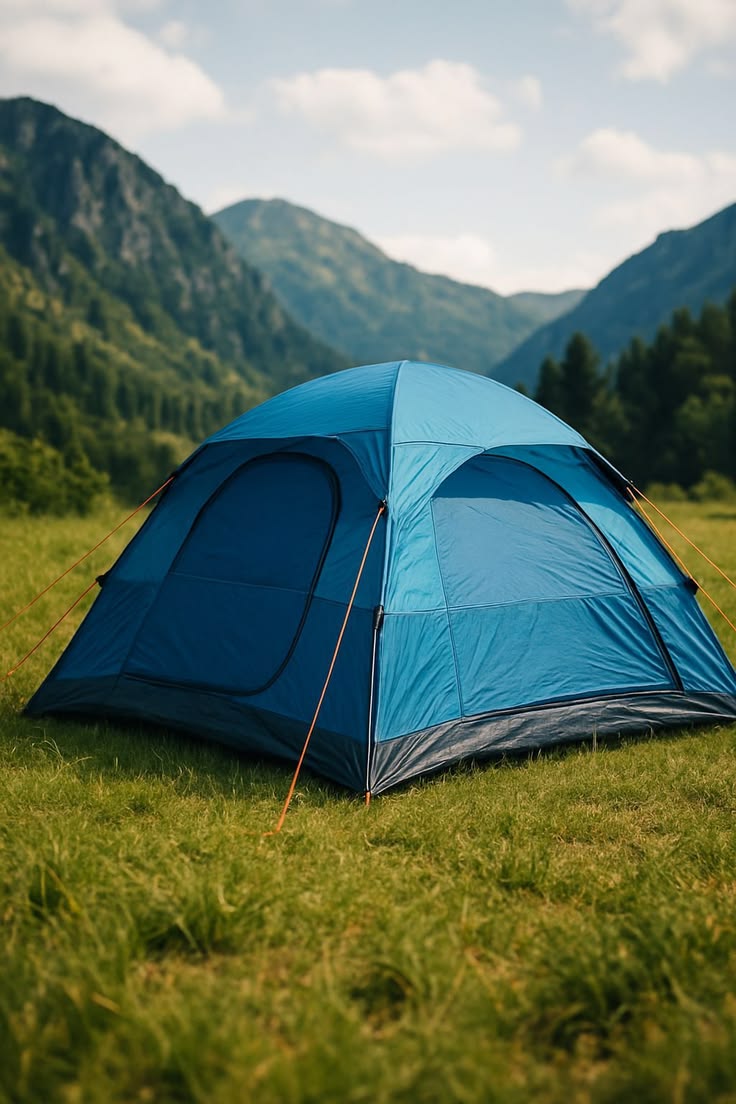

Camping tent fabric is the main protective layer between users and the outdoor environment. Keeping it clean, dry and properly stored helps preserve its strength, comfort and performance across many camping days.
Removes mud, dust, smoke residue and organic matter before they damage the fabric.
Proper drying helps prevent mould, mildew, bad odour and fabric deterioration.
Preserved fabric reduces early wear and supports repeated outdoor use.
Longer-lasting tents reduce unnecessary disposal and replacement.

Before packing a camping tent, remove loose soil, leaves, grass, insects, sticks and dust from the fabric. These materials can trap moisture, stain the surface and damage the tent when folded tightly.
A soft brush, clean cloth or gentle shake is usually enough for loose debris. Avoid dragging the tent across rough ground because stones, thorns and sharp surfaces may scratch or puncture the fabric.
Cleaning the tent before packing also helps avoid transferring dirt into vehicles, storage rooms or the next campsite.
Camping tent fabric should be cleaned gently. Use clean water, mild soap and a soft sponge or cloth to remove stains, dust, mud and surface dirt.
Avoid bleach, strong detergents, solvents, abrasive brushes and harsh chemicals because they can damage coatings, weaken fabric fibres or affect water resistance. Focus on gentle cleaning rather than aggressive scrubbing.
After washing, rinse the tent properly so soap residue does not remain on the fabric. Residue can attract dirt and affect the tent’s long-term performance.
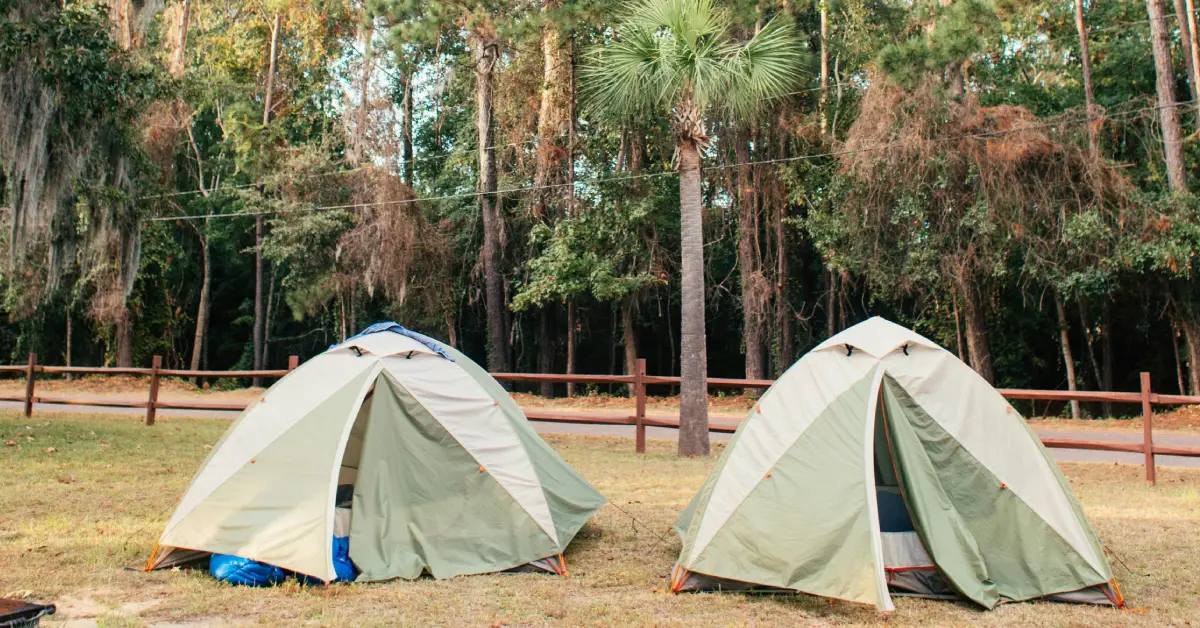

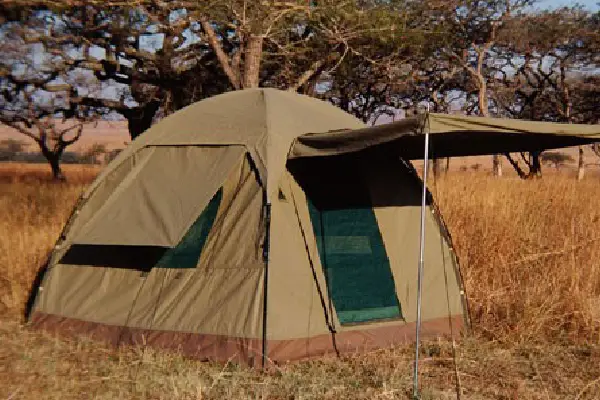
A clean and well-maintained tent reduces the chance of carrying mud, plant matter, insects and waste between campsites. This supports better campsite hygiene and more responsible outdoor travel.
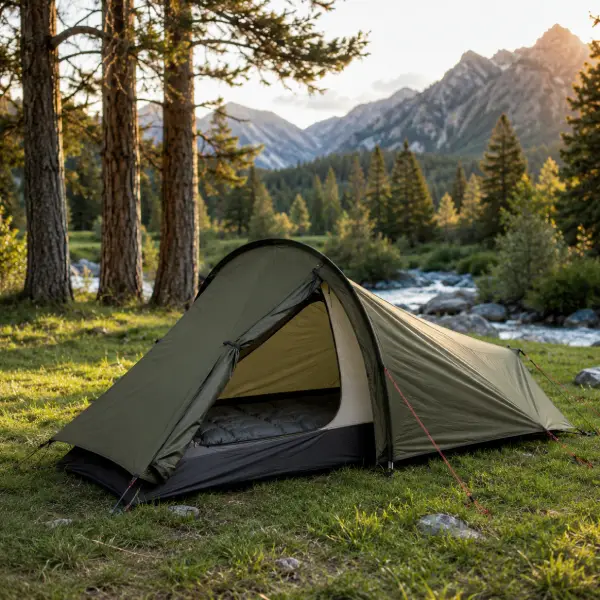

Moisture is one of the biggest causes of camping tent damage. Packing a damp tent can lead to mould, mildew, bad odour, staining and fabric weakening during storage.
After cleaning or camping in wet conditions, open the tent fully and allow it to dry naturally in a shaded or well-ventilated area. Make sure the groundsheet, seams, corners, zips and folds are dry before packing.
A completely dry tent is easier to store and much more likely to stay fresh for the next trip.

Many camping tents wear out faster because of poor cleaning habits, rushed packing or careless storage. Avoid these mistakes to protect the fabric and reduce unnecessary replacement.
After every major camping trip, inspect the tent for small tears, loose seams, damaged zips, worn-out peg points and weak areas around high-tension sections.
Early repair helps prevent small problems from becoming major damage during the next trip. Pay special attention to corners, door areas, window panels, floor joints and points where the fabric is pulled tight.
Regular inspection supports safety, comfort and long-term tent performance.

Storage affects how long a camping tent lasts. After cleaning and drying, store the tent in a cool, dry and ventilated space away from direct sunlight, moisture, pests and sharp objects.
Avoid compressing the tent tightly for long periods if there is enough storage space. Folding it slightly differently from time to time can also help reduce repeated stress on the same crease lines.
Shade & Canvas supplies durable camping tent solutions for tour operators, schools, outdoor camps, field teams, private camping groups and repeated campsite use across Kenya.

Use clean water, mild soap and a soft sponge or cloth. Avoid bleach, harsh detergents, solvents and hard scrubbing tools that may damage the fabric or coating.
No. A damp tent can develop mould, mildew, stains and bad odour. Always dry the tent completely before folding and storing it.
Inspect the tent after every major trip, especially around seams, zips, corners, peg points and fabric areas that carry tension.
Proper care extends the useful life of the tent, reducing early replacement, unnecessary waste and poor campsite hygiene caused by damaged or poorly maintained gear.
Yes. Shade & Canvas supplies durable camping tent solutions for tours, schools, outdoor camps, field operations and repeated campsite use across Kenya.
Shade & Canvas supplies durable camping tents for tour operators, schools, outdoor camps, field teams, private camping groups and frequent campsite use across Kenya.
Request a Quote

 03Jul
03Jul
 04Jul
04Jul
 06Jul
06Jul