How Custom Event Tents Drive Traffic at Festivals and Trade Shows
How Custom Event Tents Drive Traffic at Festivals and Trade Shows Cust...

Choosing the right tent size helps your event feel comfortable, organized and well-planned. The best size depends on your guest count, seating style, walkways, décor, catering setup and event activities.
Request a Tent QuoteA tent that is too small can make guests feel squeezed, while an oversized tent can make the event look empty and less intimate. The right tent size creates a comfortable balance between seating, movement, décor and the overall atmosphere of the event.
Whether you are planning a wedding, corporate event, church gathering, school function, exhibition, private party or outdoor ceremony, your guest count should be the starting point. From there, you also need to consider tables, chairs, stage, buffet area, dance floor, aisle space and weather protection.
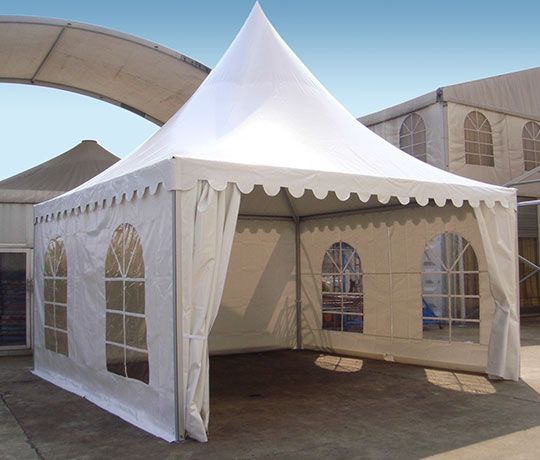
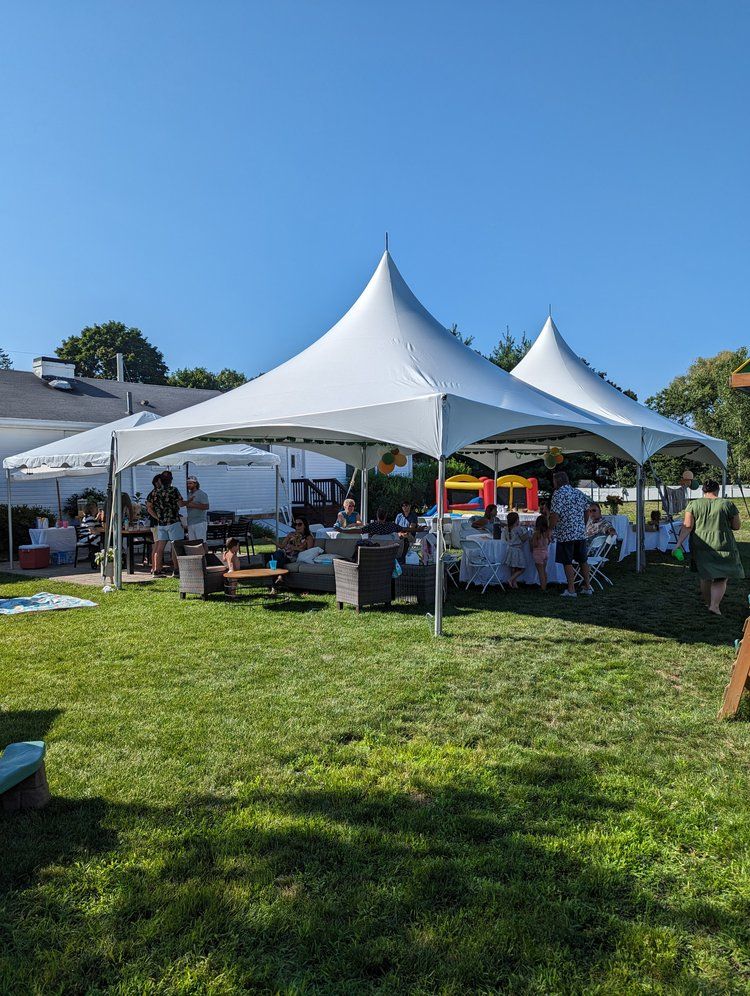
Tent sizing is not only about counting people. It also depends on how the space will be used and how much room guests need to sit, walk, eat, interact and enjoy the event.
Your guest count gives the basic starting point for choosing the tent size.
Banquet, round-table and theatre layouts each need different spacing.
Stages, buffet tables, dance floors and décor require additional tent space.
A good tent should cover guests properly and protect important event areas.
This guide helps you think through space requirements before requesting a custom tent quote. Exact tent size may vary depending on the event layout and accessories needed.

The first step in choosing a tent size is knowing how many people you expect to host. This helps determine the minimum amount of covered space needed for seating and guest movement.
Always allow for a little extra room, especially if the final guest count may increase. A tent that fits the exact number of guests may feel tight once tables, chairs, catering and décor are added.
For better comfort, plan your tent around the full event experience, not only the number of seats.
Seating style has a big effect on tent size. Theatre-style seating usually takes less space because guests sit in rows. Round tables need more room because they require space around each table for chairs and service.
Banquet-style seating works well for dining events, while classroom-style seating may be better for training, seminars or conferences. Weddings and corporate dinners may also need space for centrepieces, walkways, décor and serving areas.
Before choosing a tent, decide whether your event will use round tables, rectangular tables, rows of chairs or a mixed layout.
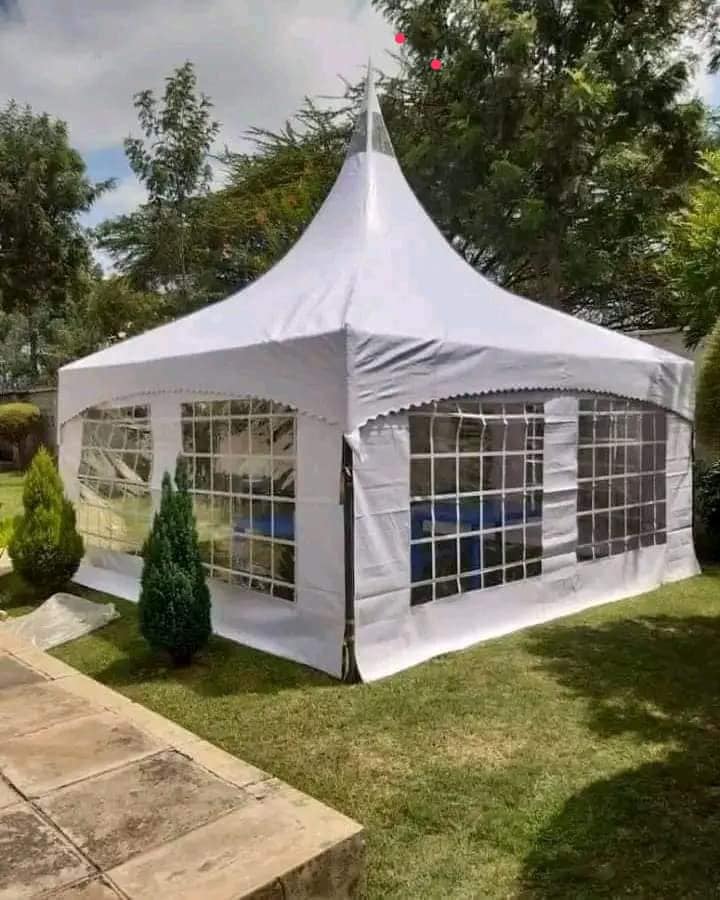


A wedding, exhibition, church event, conference or private party may all have the same guest count but require different tent sizes because the layout and activities are different.
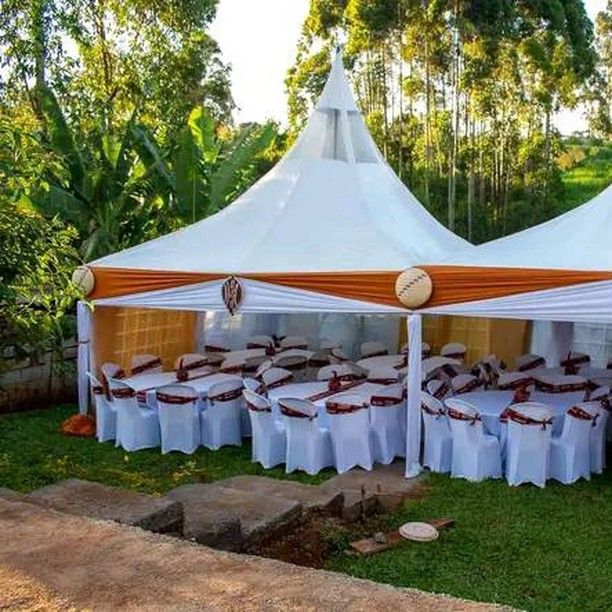
Many people choose a tent based only on the number of guests, then later realize they need extra space for other event features. If your event includes a buffet, stage, dance floor, cake table, gift table, sound system or display area, the tent should be planned with those sections included.
Walkways are also important. Guests should be able to move comfortably between tables, access food areas, reach the stage and exit the tent safely.
A well-planned layout makes the event feel organized and prevents overcrowding.
Choosing the wrong tent size can affect comfort, movement, event flow and the overall guest experience. These are common mistakes to avoid during planning.
Your venue determines what type and size of tent can be installed. The ground area, entrance points, trees, walls, slopes, drainage and access routes all affect the final setup.
Before installation, the space should be assessed to confirm that the tent can fit safely and still leave room for movement around the structure.
For larger events, a site visit or proper measurement helps prevent last-minute surprises during setup.
A professional tent supplier can help you choose the right size based on your guest count, seating style, event type, venue space and additional requirements.
This helps you avoid underestimating the space needed and ensures the structure is practical, stable and suitable for the event.
Shade & Canvas provides custom event tent solutions for weddings, corporate events, exhibitions, church functions, school events, private parties and large outdoor gatherings.
Start with your guest count, then consider seating style, tables, walkways, stage, buffet, décor and other event features. A professional tent supplier can help calculate the most suitable size.
Yes. Theatre-style seating usually needs less space, while round tables, banquet seating and dining setups need more room for chairs, service and movement.
In many cases, yes. Extra room can improve comfort and allow space for walkways, catering, décor and unexpected guest increases.
Yes. Event tents can be customized depending on the guest count, venue space, seating arrangement and type of event.
Yes. Shade & Canvas can help you choose a suitable tent size based on your event type, number of guests, available space and layout requirements.
Shade & Canvas designs and supplies custom event tents for weddings, corporate events, church functions, school events, exhibitions and outdoor gatherings across Kenya.
Request a Quote

 03Jul
03Jul
 06Jul
06Jul
06Jul
06Jul