How Custom Event Tents Drive Traffic at Festivals and Trade Shows
How Custom Event Tents Drive Traffic at Festivals and Trade Shows Cust...

Heavy-duty camping tents are built for frequent outdoor use, fast setup, repeated packing and tough weather exposure. Choosing the right one helps campers, tour operators and outdoor teams enjoy safer, more reliable shelter over many trips.
Request a Camping Tent QuoteA tent used once or twice a year does not face the same pressure as a tent used repeatedly for tours, field work, camps, school trips, outdoor accommodation or expedition-style travel. Frequent camping means the tent must handle repeated pitching, folding, transport, cleaning and exposure to changing conditions.
Heavy-duty camping tents are designed to provide stronger structure, better fabric performance and more dependable shelter. When selected correctly, they can support many camping days while keeping users more comfortable, protected and organized.
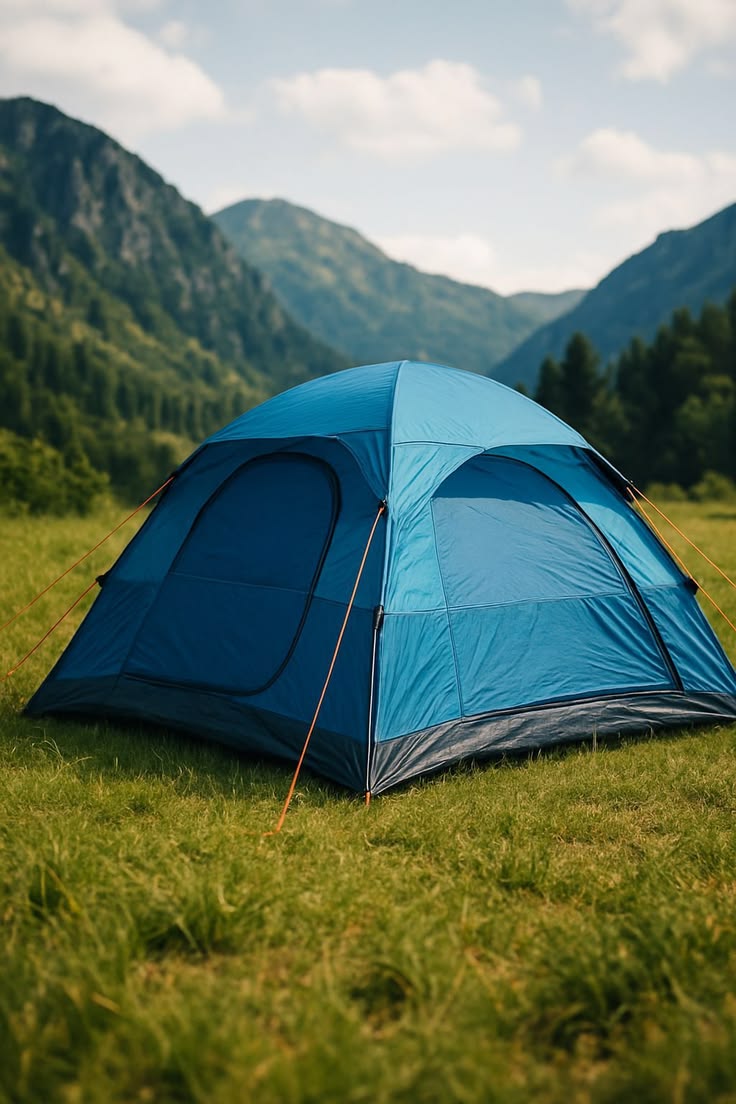

A heavy-duty tent should be strong enough for regular use while still being practical to pitch, pack, move and maintain. The best choice depends on the number of users, camping style, weather exposure and how often the tent will be used.
Provides reliable cover for frequent camping, tours and outdoor accommodation.
Helps protect users from sun, wind, rain and changing campsite conditions.
Designed to handle regular pitching, folding, transport and storage.
Uses stronger materials, better support and practical finishing for long-term use.

The fabric is one of the most important parts of a heavy-duty camping tent. It should be able to handle repeated folding, tension, outdoor exposure and regular cleaning without wearing out quickly.
For frequent camping, avoid choosing tents based only on appearance. Look for fabric that feels strong, well-finished and suitable for the environment where the tent will be used.
A better fabric choice helps the tent remain useful over many camping days, especially for tour operators, outdoor schools, camps and field teams.
A strong tent fabric still needs a reliable support structure. The frame, poles, pegs, ropes and fixing points all affect how stable the tent feels once installed.
For repeated use, the support system should be practical to assemble and strong enough to withstand regular setup and takedown. Weak poles or poor fixing points can cause the tent to sag, shift or fail during use.
A well-supported tent is especially important in campsites where wind, uneven ground and frequent movement can affect stability.
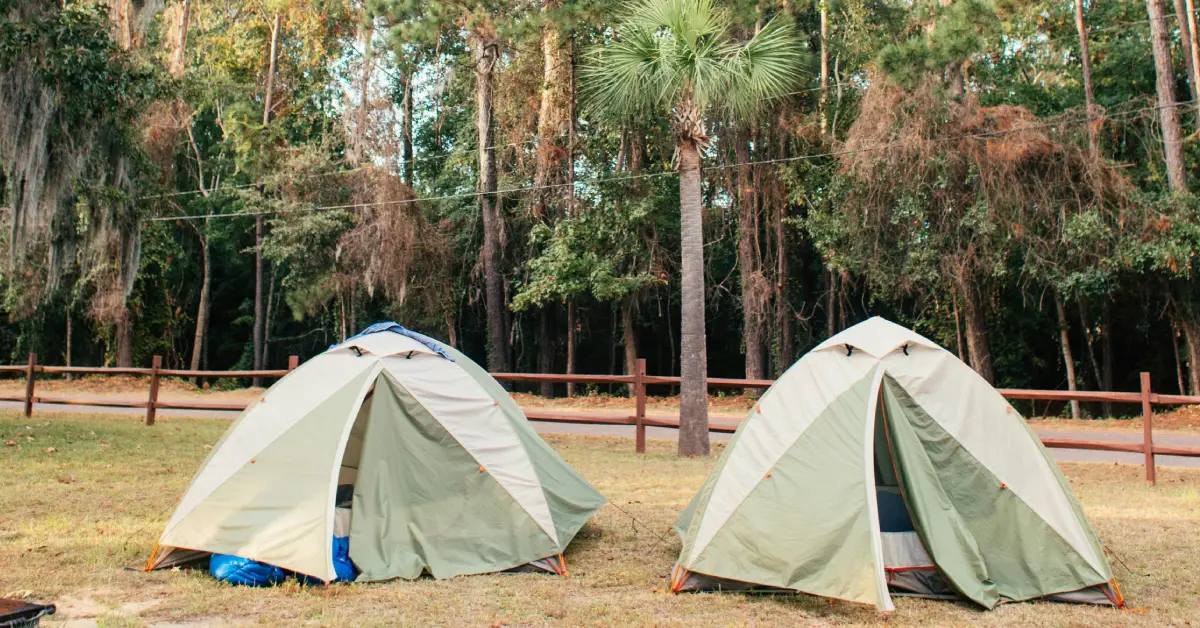

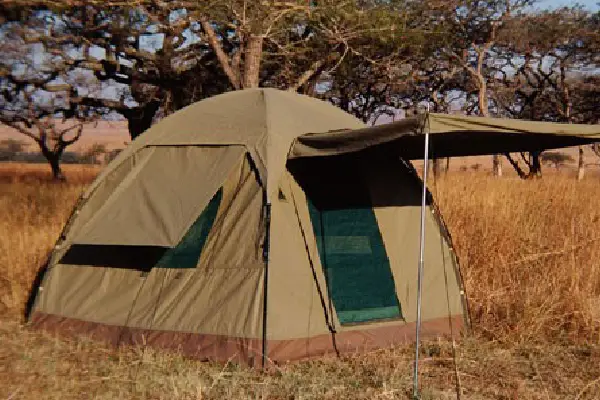
Whether used for tourism, school camps, field operations or private outdoor trips, durable tents help create a more organized campsite and reduce stress during setup, accommodation and packing.
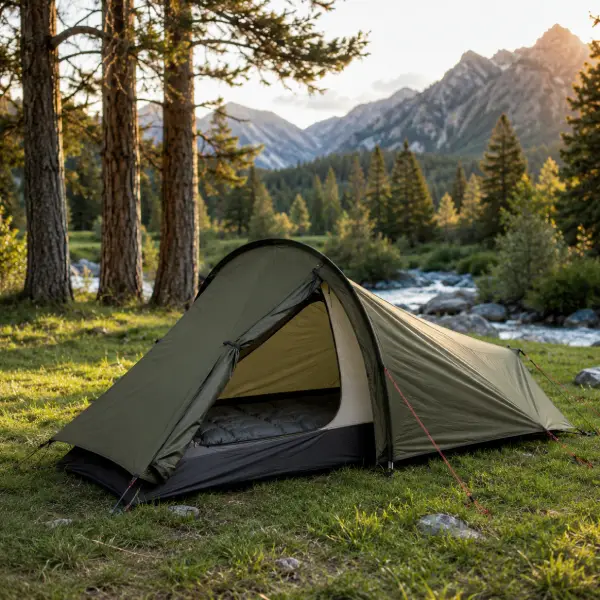

Tent size should match the number of users and how the tent will be used. A tent for quick overnight stays may not need the same space as a tent used for guided tours, family camping or long outdoor assignments.
Consider sleeping space, luggage, movement, ventilation and whether users need extra comfort during longer stays. A tent that is too small can feel cramped, while an oversized tent may be harder to pitch and manage.
The right size improves comfort and makes camping more practical, especially when the tent is used many times throughout the season.

A camping tent should be selected based on strength, purpose and repeated use. Choosing the wrong tent can lead to discomfort, early wear and unreliable shelter during trips.
A heavy-duty tent should be strong, but it should also be comfortable. Ventilation helps reduce stuffiness, moisture build-up and heat inside the tent.
For regular camping, good airflow can make a big difference, especially in warm areas or when the tent is occupied for long periods. Openings, mesh sections, windows and well-placed entry points can improve comfort.
A tent that balances protection and ventilation is easier to use across different outdoor conditions.

Tents that are used repeatedly need proper care. After every trip, the tent should be cleaned, dried and packed correctly to prevent stains, mould, fabric stress and unpleasant odours.
A heavy-duty tent should be easy enough to maintain between trips. This is important for tour companies, camps and outdoor teams that use tents frequently and need them ready for the next outing.
Shade & Canvas supplies durable camping tent solutions suitable for outdoor accommodation, tours, school camps, field operations and repeated campsite use across Kenya.

A heavy-duty camping tent usually has stronger fabric, reliable support, practical finishing and a design suited for repeated outdoor use.
They are useful for tour operators, schools, outdoor camps, field teams, families, camping groups and anyone who uses tents frequently.
Consider the number of users, luggage space, comfort, ventilation, camping duration and how often the tent will be pitched and packed.
Ventilation helps reduce heat, stuffiness and moisture build-up, making the tent more comfortable during outdoor stays.
Yes. Shade & Canvas supplies durable camping tent solutions for tours, camps, outdoor accommodation, field operations and repeated campsite use across Kenya.
Shade & Canvas supplies durable camping tents for tour operators, schools, outdoor camps, field teams, private camping groups and repeated campsite use across Kenya.
Request a Quote

 03Jul
03Jul
 04Jul
06Jul
04Jul
06Jul