Why Investing in a Quality Car Shade Saves Your Vehicle’s Paint and Interior
Why Investing in a Quality Car Shade Saves Your Vehicle’s Paint and In...

A shade structure does more than block sunlight. It reduces direct heat exposure, keeps surfaces cooler, and helps make your vehicle more comfortable after being parked outdoors.
Get a Car Shade QuoteWhen a car is parked under direct sunlight, solar radiation enters through the windows and heats the dashboard, seats, steering wheel and other interior surfaces. These hot surfaces then release heat into the cabin, causing the inside temperature to rise quickly.
A shade structure helps reduce this process by blocking a large amount of direct sunlight before it reaches the vehicle. The result is a cooler cabin, cooler interior surfaces and less heat stress on your car’s paint, dashboard, seats and trims.
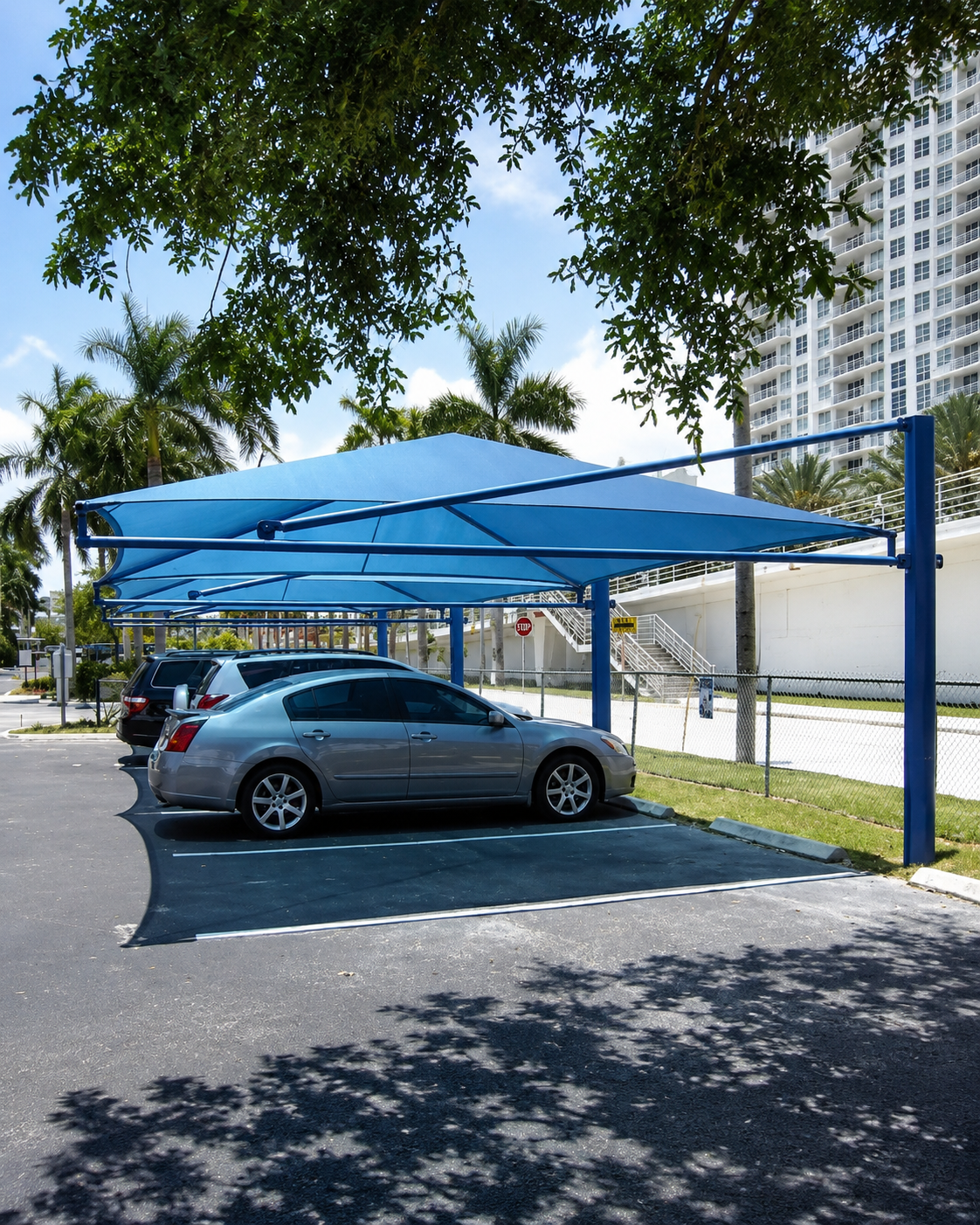
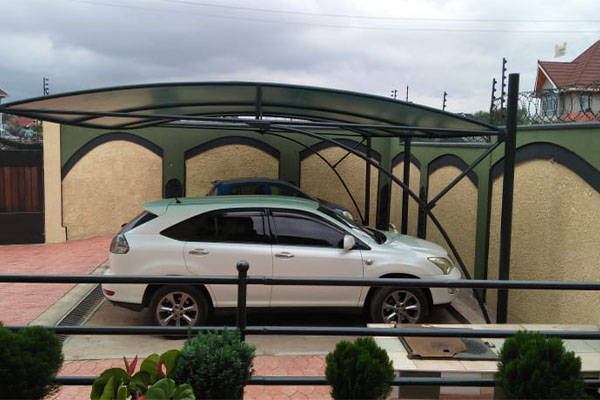
The cooling effect of a car shade comes from reducing direct solar exposure. The exact temperature difference depends on the time of day, outdoor temperature, shade material, airflow, vehicle colour and how long the car remains parked.
Reduces the amount of direct sunlight hitting the roof, windows and body of the car.
Helps slow down how quickly the cabin and interior surfaces become hot.
Keeps dashboards, seats and steering wheels from becoming excessively hot.
Open-sided shade structures allow air movement, helping reduce trapped heat around the vehicle.
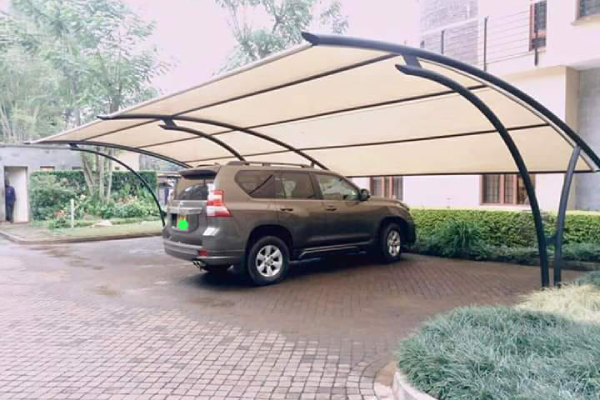
There is no single fixed number because every parking environment is different. However, a vehicle parked under a well-designed shade structure can feel noticeably cooler than one parked in direct sunlight.
In many outdoor conditions, shaded vehicles may experience a cabin temperature reduction of around 5°C to 15°C compared to vehicles exposed directly to the sun. Surface temperatures on dashboards, seats and steering wheels can also be much lower because they are not receiving direct sunlight.
The biggest difference is often felt when entering the vehicle. A shaded car is usually more comfortable, easier to touch and faster to cool once the air conditioning is switched on.
Car windows allow sunlight to enter the cabin. Once this sunlight hits interior surfaces, it is absorbed and converted into heat. The dashboard, seats, steering wheel and door panels then radiate that heat back into the cabin.
Because the cabin is enclosed, heat becomes trapped inside. This is why the inside of a car can feel much hotter than the outside air temperature after sitting in the sun for a while.
A shade structure reduces the amount of sunlight reaching the vehicle, which helps slow down this heat build-up and keeps interior surfaces cooler.
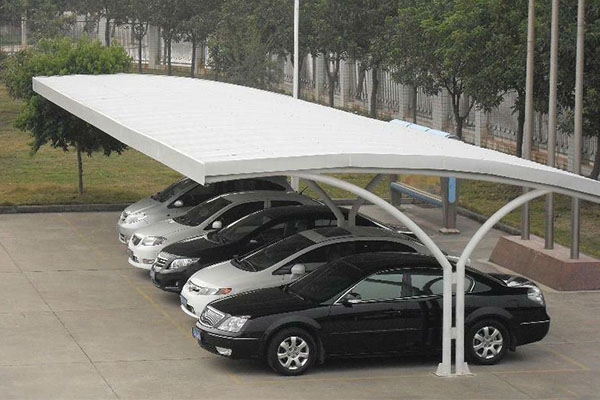
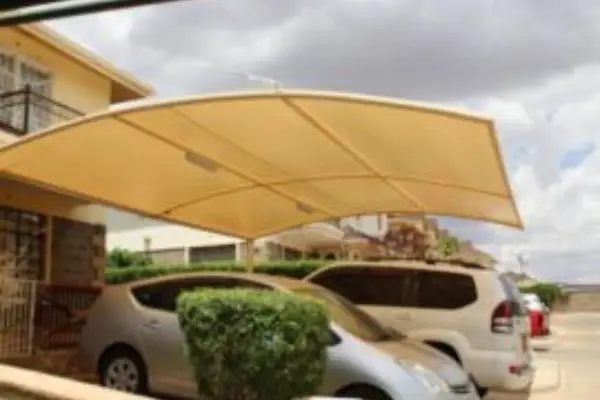
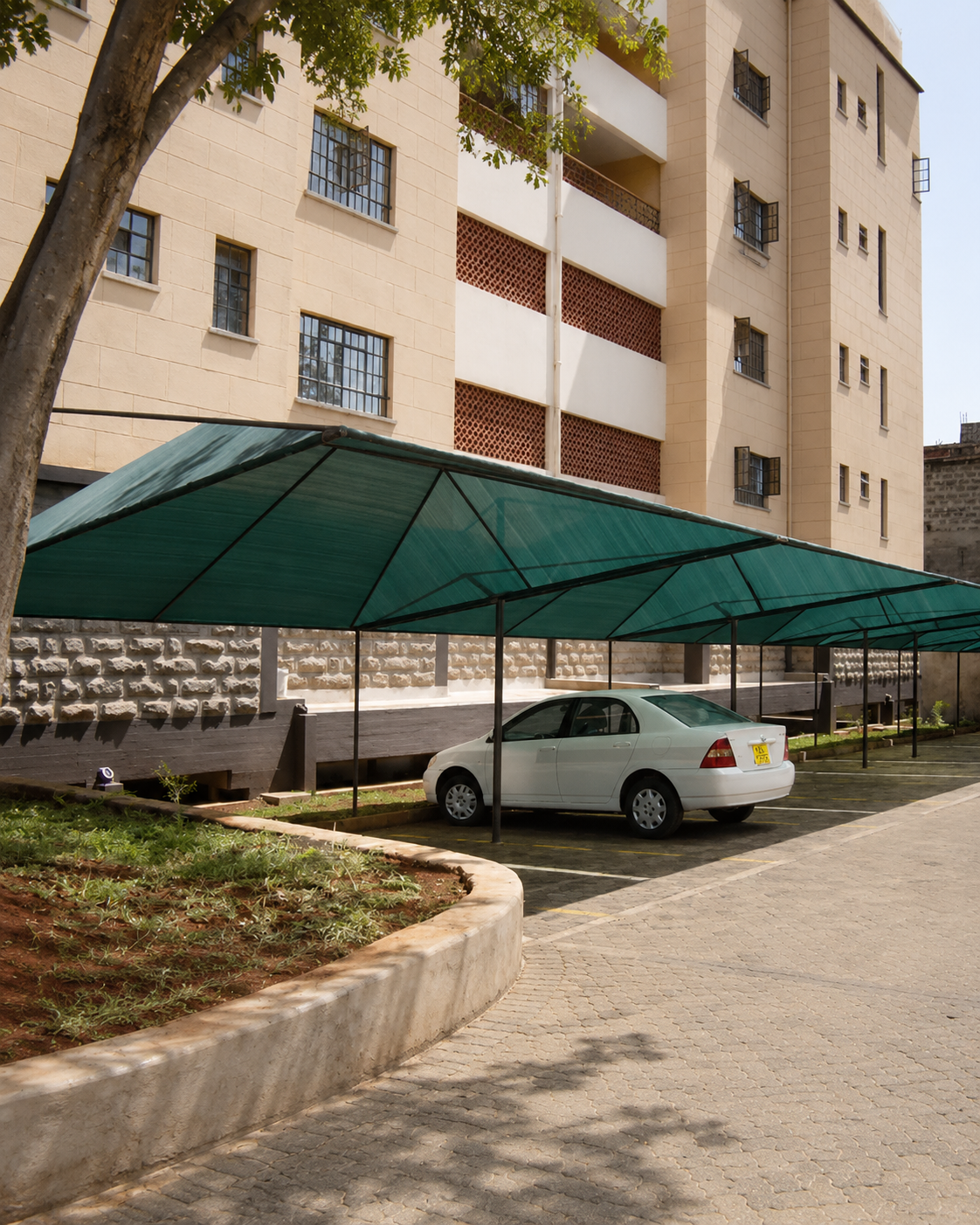
The cooling performance of a car shade depends on its coverage, height, material, angle and position. A shade that is too small or poorly placed may still allow sunlight to hit the vehicle during hot parts of the day.
Good shade material reduces the amount of solar heat reaching the vehicle while still allowing the parking area to remain open and usable. The fabric, colour, density and installation angle can all affect how much heat is blocked.
Airflow also matters. Open-sided shade structures allow warm air to move away instead of being trapped around the vehicle. This helps create a more comfortable shaded parking environment.
A professionally designed car shade balances coverage, airflow and structural strength for better long-term performance.
A shade structure needs to be planned properly to give reliable heat reduction. Poor design can leave vehicles exposed to direct sunlight even when a shade has been installed.
A professionally installed car shade is designed around the actual parking space, number of vehicles, sun direction, wind exposure and the required coverage area.
This helps ensure that the shade structure does not only look good, but also performs well in reducing direct heat exposure and protecting vehicles from harsh outdoor conditions.
For homes, offices, apartments, schools, hotels and commercial properties, proper installation helps deliver better protection, cleaner finishing and long-term durability.
The exact difference depends on weather, shade material, airflow, vehicle colour and parking duration. In many conditions, a shaded vehicle can feel significantly cooler and may reduce cabin heat by several degrees compared to direct sun exposure.
Yes. Because the dashboard, seats and steering wheel are not exposed to direct sunlight, they usually stay cooler and more comfortable to touch.
Yes. Material quality, density, colour and installation angle can influence how much sunlight and heat are reduced before reaching the vehicle.
Yes. Since the cabin starts at a lower temperature, the air conditioning system can cool the vehicle more comfortably after you start driving.
Yes. Car shade structures can be custom-made for homes, offices, apartments, schools, hotels, churches and commercial parking areas.
Shade & Canvas designs and installs durable custom car parking shades that help reduce heat exposure, protect vehicles and improve outdoor parking comfort across Kenya.
Request a Quote


 02Jul
02Jul