How Cafes and Restaurants Use Sleek Shade Sails to Create High-End Outdoor Dining
How Cafés and Restaurants Use Sleek Shade Sails to Create High-End Out...

Quality shade fabrics can serve you for many years when they are cleaned, inspected and maintained properly. Simple care routines can help protect the fabric, improve appearance and extend its useful life.
Request Shade MaintenanceShade fabrics are constantly exposed to sunlight, rain, wind, dust, leaves, bird droppings and changing outdoor conditions. Over time, dirt and weather exposure can affect the appearance, strength and performance of the fabric.
With the right cleaning and maintenance routine, your shade sails, car parking shades, canopies and outdoor shade fabrics can stay stronger, cleaner and more attractive for longer. Regular care also helps prevent avoidable damage that may lead to early replacement.
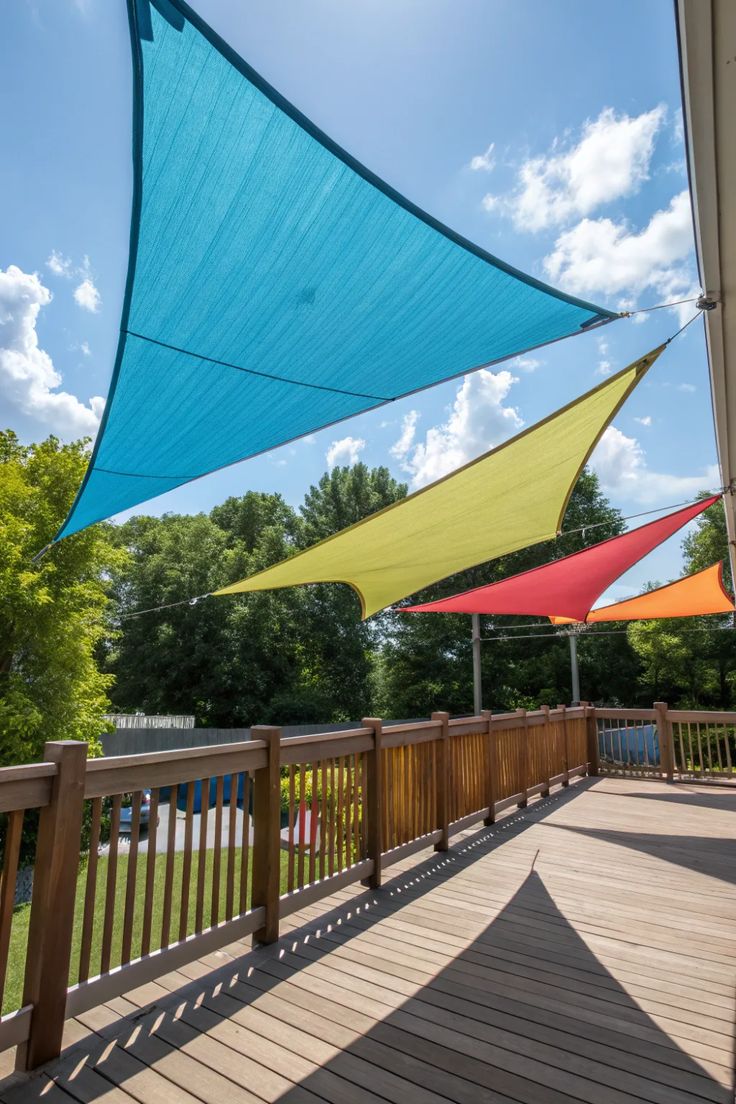
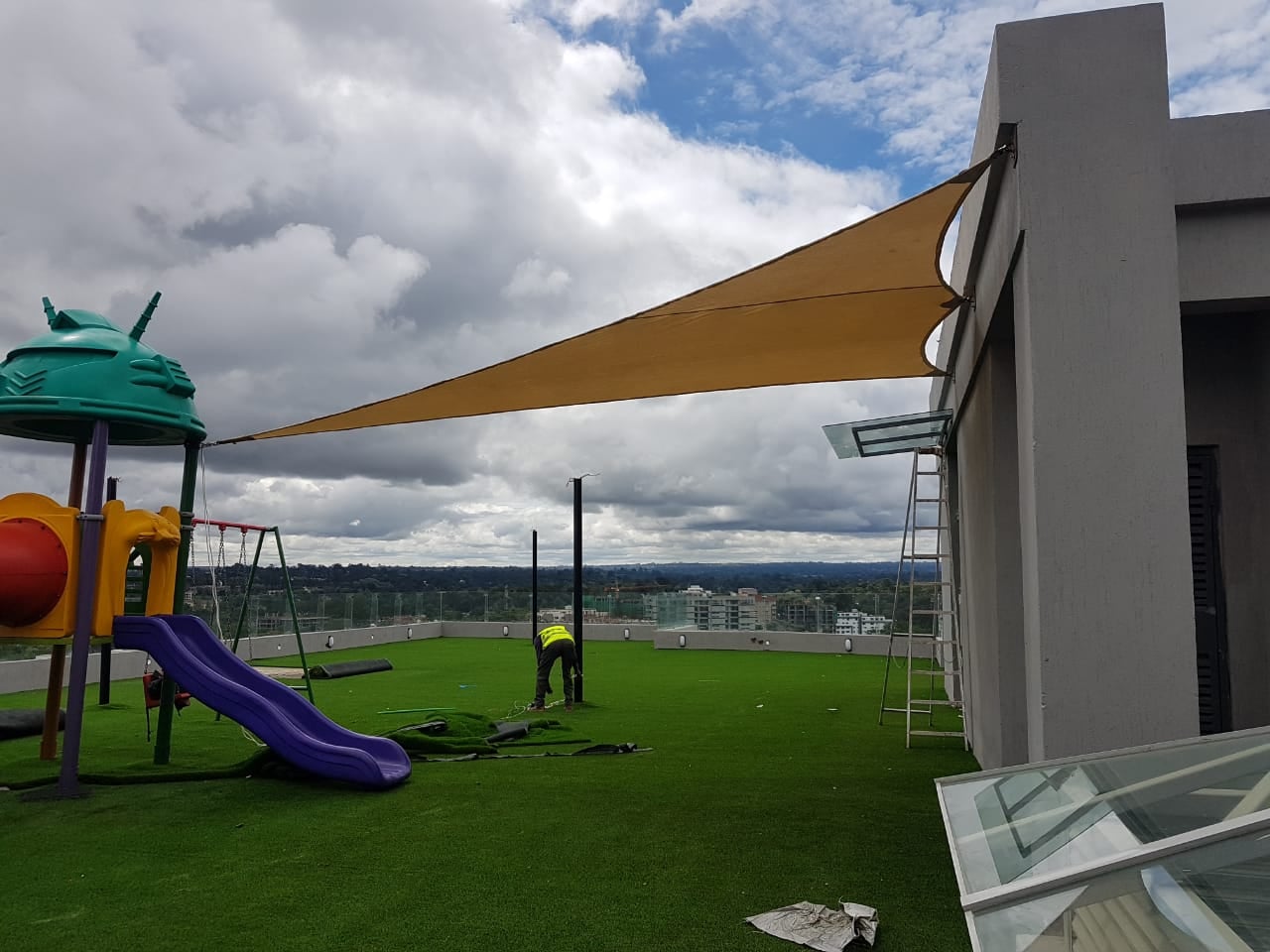
Shade fabric maintenance is not only about keeping the structure clean. It also helps protect the material from dirt build-up, moisture damage, loose fittings and avoidable stress caused by poor care.
Regular cleaning removes dust, stains, leaves and dirt that can make shade fabrics look old.
Clean fabric keeps outdoor spaces looking fresh, organized and well maintained.
Early inspection helps prevent small tears, loose seams and weak points from becoming bigger problems.
Proper care can help quality shade fabrics serve for many years before replacement is needed.

Dust, leaves, pollen, bird droppings and general outdoor dirt can collect on shade fabrics over time. If left for too long, this build-up can stain the fabric and make the shade structure look neglected.
For regular cleaning, use a soft brush or broom to remove loose dirt. Then wash the fabric gently using clean water and mild soap. Avoid harsh chemicals, bleach or strong detergents because they may weaken or discolor the fabric.
After washing, rinse thoroughly with clean water and allow the fabric to dry naturally before folding, storing or covering any section.
Small fabric issues are easier and cheaper to fix when noticed early. Check your shade fabric for tiny tears, stretched corners, loose stitching, weak seams, sagging areas and worn-out edges.
Pay close attention to attachment points because these areas carry more tension. If a corner is loose or overstretched, it can affect the entire shade structure and shorten the fabric’s lifespan.
Regular inspection helps you take action before minor damage becomes a major repair or replacement issue.


Shade fabrics are often installed in visible areas such as homes, schools, hotels, restaurants, parking spaces, gardens and commercial properties. Keeping them clean improves the appearance of the entire outdoor space.
Leaves, branches and debris can collect on shade fabrics, especially after windy or rainy weather. When debris is left on the fabric, it can trap moisture, add weight and create stains.
Use a soft broom or gentle water spray to remove debris. Avoid using sharp tools or dragging heavy items across the fabric because this may scratch, puncture or weaken the material.
For large shade structures, schedule routine checks so debris is removed before it causes sagging or fabric stress.
Many shade fabrics wear out faster because of poor cleaning methods, ignored repairs or unnecessary strain. Avoiding these mistakes can help your fabric last longer.
Shade fabric should not be too loose or too tight. Loose fabric can flap in the wind, collect water and sag over time. Over-tightened fabric can put unnecessary stress on seams, corners and fixing points.
Check the tension regularly, especially after strong winds, heavy rain or long periods of use. If the fabric is sagging, overstretched or uneven, it may need adjustment by a professional installer.
Proper tension helps the shade fabric remain stable, functional and attractive for longer.
Some maintenance tasks require professional attention, especially for large shade sails, car parking shades, commercial canopies and high outdoor shade structures.
A professional can inspect the fabric, check support structures, adjust tension, identify weak points and recommend repairs before the damage becomes expensive.
Regular professional maintenance is especially important for schools, hotels, restaurants, apartments, offices and other busy spaces where shade structures are used daily.
Shade fabrics should be cleaned regularly depending on exposure to dust, trees, rain and outdoor dirt. A light clean every few months and a deeper clean when needed can help keep the fabric in good condition.
It is better to avoid bleach and harsh chemicals because they may weaken or discolor the fabric. Use clean water, mild soap and a soft brush for safer cleaning.
Poor cleaning methods, loose fabric tension, water pooling, ignored tears, harsh chemicals and constant debris build-up can all shorten the lifespan of shade fabrics.
Yes. Small tears can grow larger when exposed to wind, rain and tension. Repairing them early can help prevent bigger damage.
Yes. Professional maintenance helps identify weak points, adjust tension, inspect fittings and recommend repairs that support long-term performance.
Shade & Canvas designs, installs and supports durable shade solutions for homes, schools, hotels, restaurants, offices and commercial spaces across Kenya.
Request a Quote

 03Jul
03Jul